

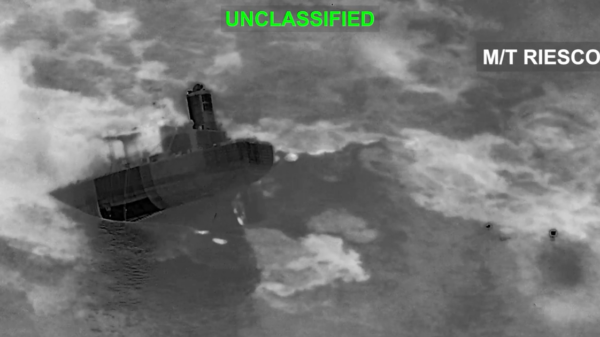












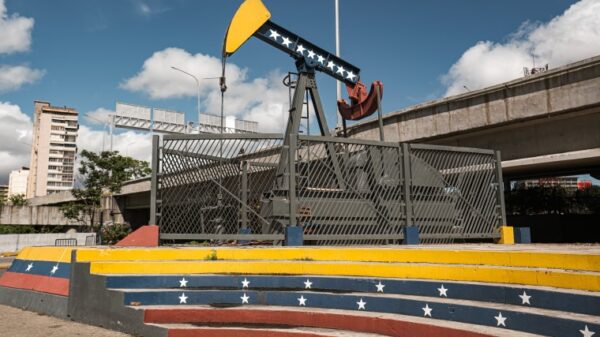



Global oil markets surged into turmoil on Wednesday as Brent crude prices climbed past 101 dollars per barrel, marking the highest level seen since May. This spike comes amid escalating hostilities between Tehran and Washington, following Iranian missile strikes launched in retaliation for U.S. operations that destroyed several tankers. The volatility has sparked deep concern among economists and policymakers who fear a prolonged disruption to one of the world’s most critical maritime chokepoints.
Adding to the anxiety, the U.S. Energy Information Administration issued a bleak outlook on shipping traffic through the Strait of Hormuz. According to the agency, constraints are expected to persist well into next year, effectively shutting in an average of 5.7 million barrels of oil per day. While some analysts hope for a resolution in the coming months, official projections suggest that pre-war export levels might not fully recover until the second quarter of 2027, driven largely by plummeting global inventories that have already dropped by roughly 400 million barrels this year.
The geopolitical crisis is expanding beyond oil fields and shipping lanes, triggering a cascade of instability across the Middle East. In diplomacy circles, the International Atomic Energy Agency took the rare step of referring Iran to the U.N. Security Council over nuclear non-compliance, citing a total lack of access to key facilities since early conflicts began last year. Meanwhile, tensions are boiling over in Lebanon, where the national army has accused Israel of committing thousands of treaty violations and striking residential areas, claiming such actions undermine regional stability and violate sovereign borders.
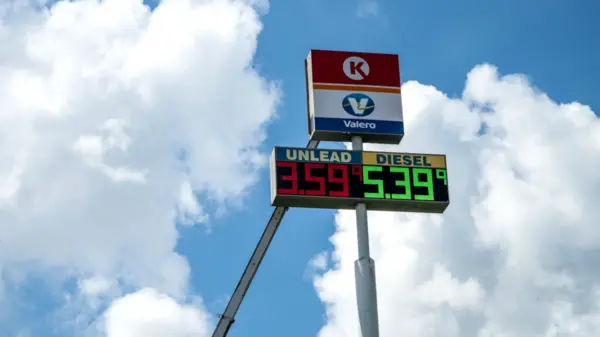
Further complicating the landscape, Germany has stepped forward to condemn recent Houthi attacks on Saudi Arabian infrastructure, urging a return to previous peace plans as proxy wars widen alongside the primary conflict with Iran. As fighter jets and missiles define the current era of diplomacy, Israeli Prime Minister Benjamin Netanyahu claimed during a visit to troops in southern Syria that the Islamic Republic is nearing collapse. However, with fuel prices soaring and multiple fronts igniting simultaneously, the path toward any lasting ceasefire remains obscured by economic chaos and deepening military aggression.