

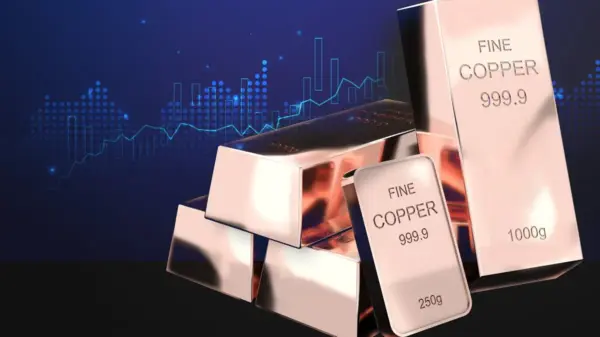
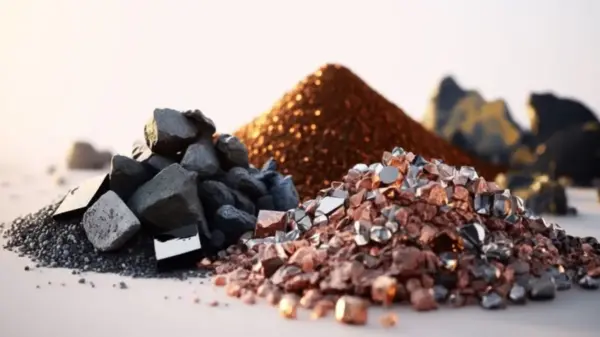






The financial world has long looked to copper as a barometer for the global economy, giving the red metal the nickname Dr. Copper because its price fluctuations often predict whether the world is heading toward growth or instability. After hitting a low of roughly 2.17 dollars per pound during the depths of March 2020, copper has embarked on a steep climb. By 2026, the metal began trading around the six dollar mark, driven by a perfect storm of surging demand and a dwindling supply chain that has struggled to keep pace with modern industrial needs.
Much of this price surge stems from the aggressive shift toward electrification and artificial intelligence. While traditional construction remains a primary consumer of copper due to its conductivity and resistance to corrosion, new frontiers are pushing costs higher. Electric vehicles require significantly more copper than internal combustion engines, with battery electric buses using over ten times as much material as standard cars. When combined with the massive infrastructure requirements for AI data centers and renewable energy grids, the result is a widening gap between how much copper is available and how much the world actually needs.
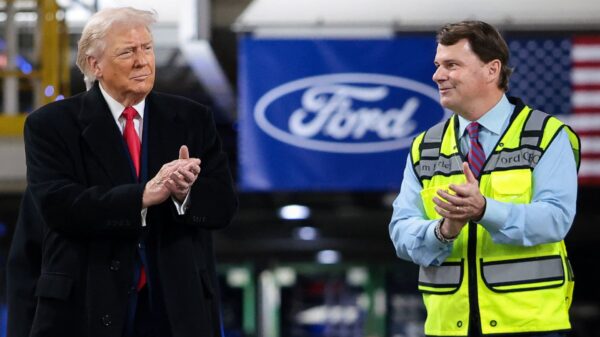
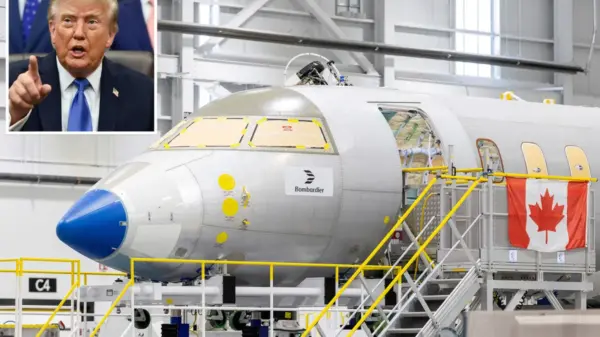
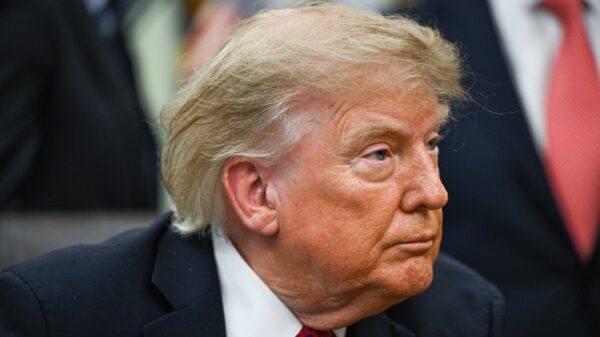
On the supply side, the situation has grown precarious as high grade ore deposits deplete and new discoveries remain rare. Bringing a new mine from discovery to production can take up to two decades, leaving markets vulnerable to short term shocks. Recent disruptions have only worsened the deficit, including government shutdowns of major sites like Cobre Panama and operational accidents at other massive mines in Mali and Indonesia. These losses, compounded by geopolitical tensions and trade tariffs under President Donald Trump, have sent prices reaching record highs throughout 2025 and 2026.
Looking ahead, experts warn that we may be entering an era of chronic scarcity. The International Energy Agency has forecasted a potential thirty percent shortfall in copper supply by 2035 if current trends continue. To bridge this gap, industries are increasingly relying on recycled scrap metal to balance their books. While there are hopes that renewed investment in exploration will eventually stabilize the market, for now, Dr Copper continues to signal an era of intense competition for one of earth’s most essential materials.