



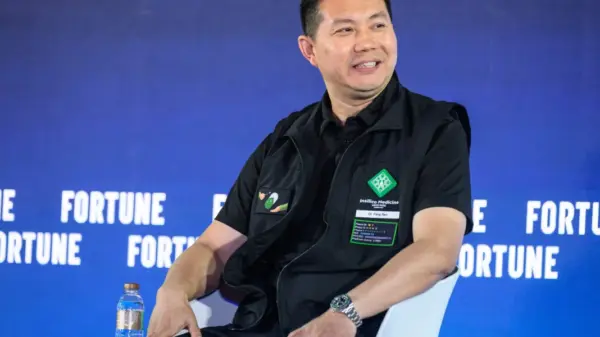














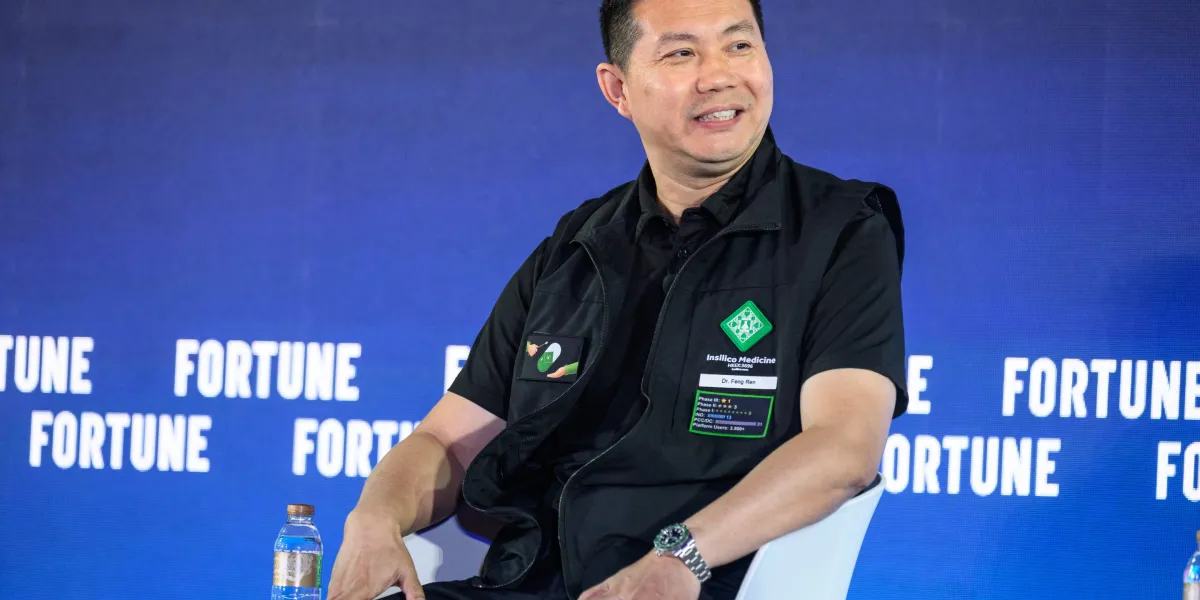
The dream of stopping biological aging may be moving closer to reality, according to leadership at the AI drug discovery startup Insilico Medicine. Speaking at the Fortune Leaders Forum in Macau, co-CEO and head of R&D Feng Ren suggested that humanity might finally have a chance to halt the clock on cellular decay. This optimistic outlook follows recent data from the company showing that patients using an experimental fibrosis drug experienced a decline in their predicted biological age, with some seeing improvements of up to six years on certain measures. The announcement sent ripples through the market, pushing the company’s shares up by eleven percent.
However, while scientists chase the fountain of youth, healthcare executives warn that extending life brings a massive financial and systemic challenge. Kelvin Loh, group chief healthcare officer at insurer AIA, noted that children born today could easily see average life expectancies surpass 100 years within a single generation. While he agrees that medicine will continue to extend life—turning once fatal diagnoses like stage four lung cancer into manageable chronic conditions—he questioned whether society can afford such longevity. With one in four people in the Asia-Pacific region expected to be over 60 by 2050, the resulting strain on medical infrastructure could be overwhelming.
Beyond simply adding years to a lifespan, industry leaders are shifting their focus toward healthspan, which refers to the quality of those additional years. Keith Choy, president of Asia-Pacific at Haleon, argued that living longer is meaningless if the final decade of life is spent in disability or poor health. He believes the goal should be maintaining vitality well into old age rather than just delaying death. To achieve this, Choy envisions a future where AI and wearable technology act as personalized doctors for billions of people, monitoring health in real time to prevent decline before it starts.