
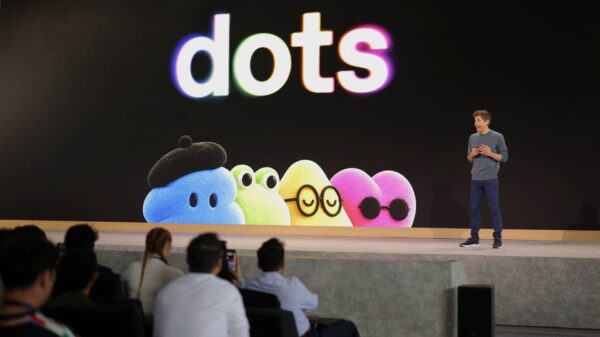

















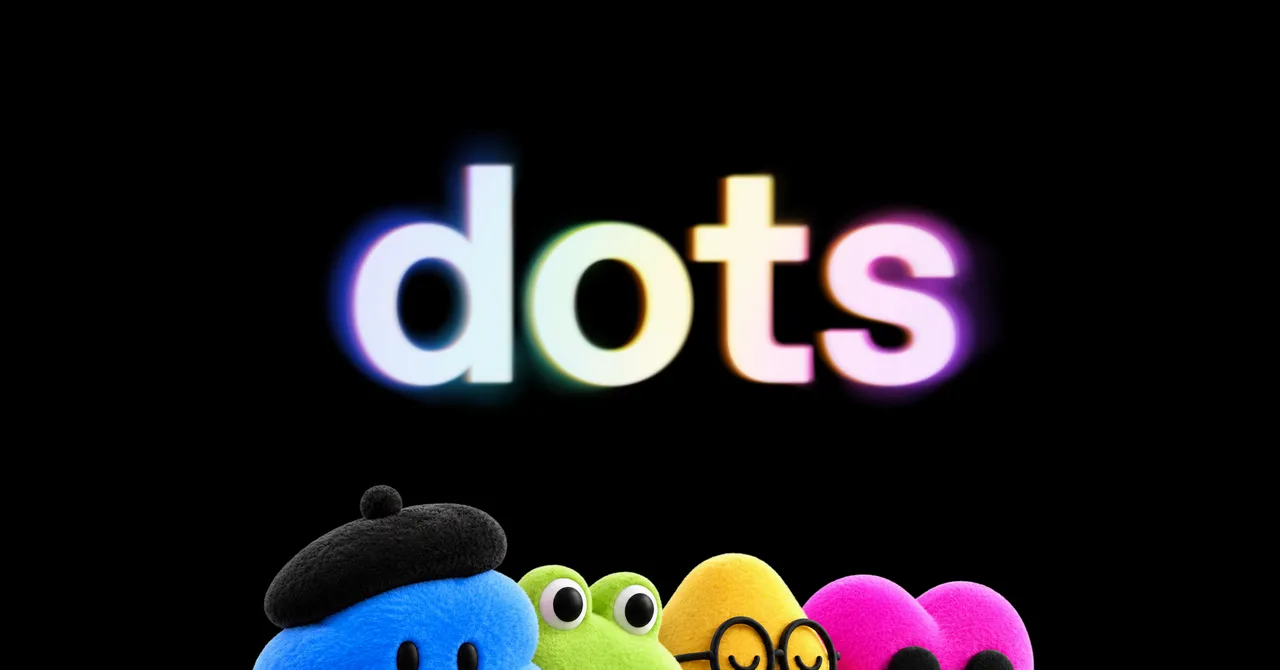
OpenAI has officially entered the race for autonomous personal assistants with the unveiling of Dots, a suite of always-on AI agents introduced during the company’s DevDay 2026 event in San Francisco. Powered by the new GPT-6 Astra model, these agents move beyond the traditional back-and-forth nature of chatbots to act as proactive digital companions. Represented visually as customizable blobs, Dots are designed to handle multi step projects independently by crawling the web and integrating data from a user’s connected applications to learn their preferences over time.
The practical utility of these agents was highlighted through demos showing Dots managing real world logistics without constant prompting. In one instance, a Dot noticed a conflict on a user’s work calendar and proactively suggested food delivery options via GrubHub. Other examples showcased complex collaborations, such as launching entire websites. To ensure accessibility, OpenAI is integrating Dots into ChatGPT, Slack, and Microsoft Teams, while offering high tier Pro users the ability to interact with their agents directly through iMessage or RCS messaging on Android.
Beyond individual productivity, OpenAI is positioning Dots as a major play for the enterprise market. CEO Sam Altman announced specialized versions of the agents tailored for corporate functions like legal analysis, accounting, and email marketing. This push toward AI coworkers comes at a time when personal agents are seeing a massive surge in popularity following the success of Meta’s Muse. By introducing highly capable specialist bots alongside general purpose ones, OpenAI is clearly attempting to capture both the consumer excitement generated by Meta and the stability of long term business contracts.
Despite the convenience, the transition to always-on automation brings significant privacy and security concerns. Because Dots require deep access to personal data and third party apps to function effectively, there are inherent risks regarding accidental data leaks or vulnerability to online adversaries. While OpenAI has implemented safety guardrails and custom rules allowing users to set strict boundaries on sensitive actions like password changes, experts warn that exercising caution remains essential when delegating life management tasks to nascent software. For now, access begins with Pro subscribers paying one hundred dollars a month before expanding to a wider audience.