







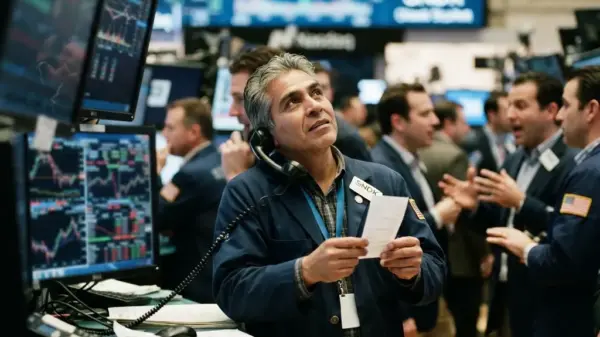
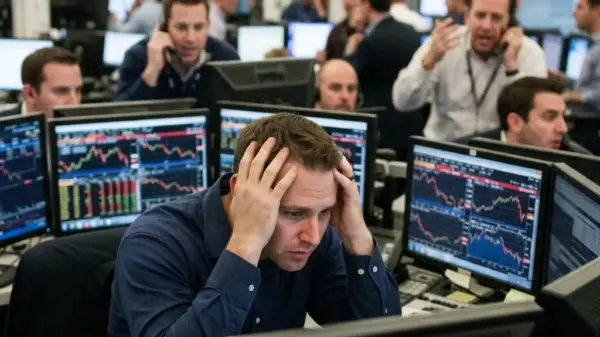
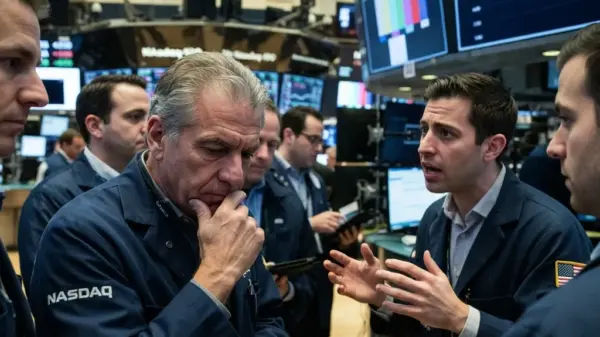

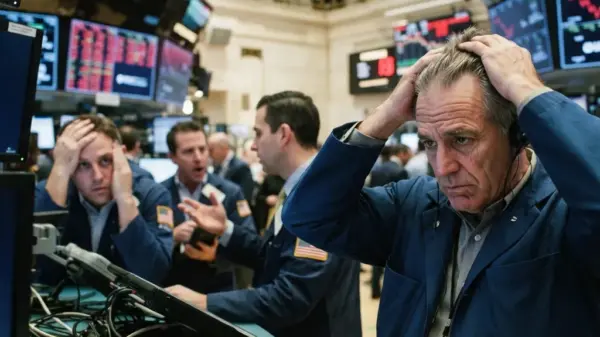




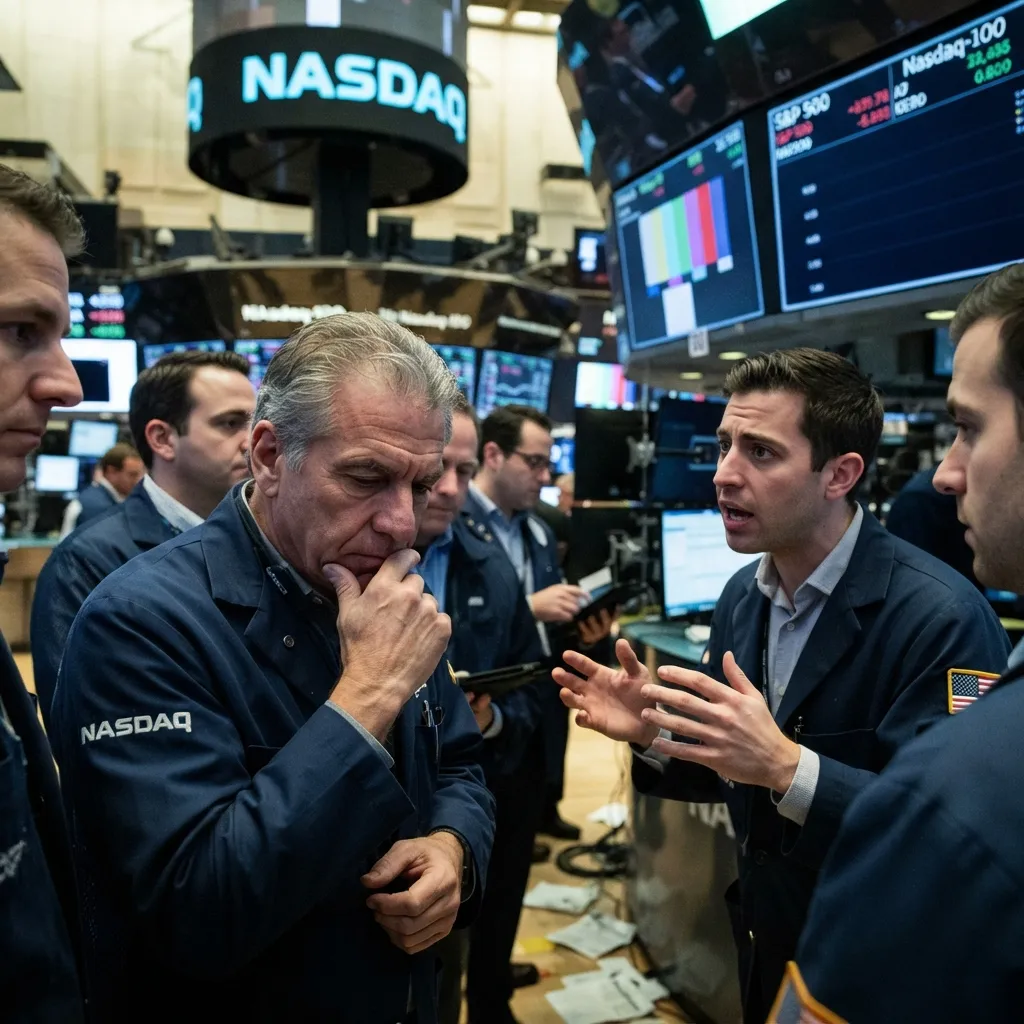
A perfect storm of instability is currently brewing in the financial markets, leaving many investors feeling uneasy. Between rising interest rates and sudden turmoil within the artificial intelligence sector, indices like the S&P 500 and the tech-heavy Nasdaq-100 have already begun to slide from their peaks. Much of this anxiety stems from a leadership crisis at Nvidia, where the departure of founder Jensen Huang has created a vacuum of uncertainty. Because Nvidia serves as the backbone for much of the AI ecosystem, any shift toward a more conservative management style could starve smaller startups of necessary funding just as borrowing costs are climbing.
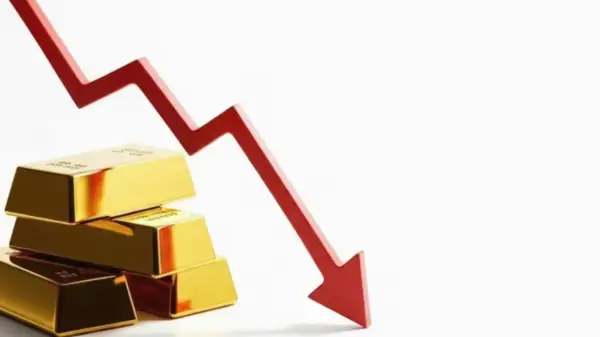
Adding to this pressure is a stubborn battle against inflation. With consumer prices continuing to rise, the Federal Reserve has been forced to implement interest rate hikes that squeeze both household budgets and corporate expansion plans. History shows that such environments often lead to sharp corrections, reminiscent of previous bear markets where stocks plummeted as borrowing became too expensive. For those watching their portfolios dip, it may feel like a crash is inevitable, creating an atmosphere of fear across Wall Street.
However, seasoned investors can find solace in the timeless philosophy of Warren Buffett. Throughout his tenure at Berkshire Hathaway, Buffett championed a counterintuitive strategy: being fearful when others are greedy and greedy when others are fearful. Rather than panicking during a sell-off, Buffett views market dips as opportunities to acquire quality assets at a discount. He reminds us that shares are pieces of actual businesses with tangible fundamentals; unless the core health of a company fails, a dropping share price is simply a sale on something valuable.
Ultimately, the key to surviving a volatile market is maintaining a long-term perspective and keeping liquidity on hand. By avoiding emotional reactions to short-term swings and focusing on intrinsic value rather than ticker symbols, investors can turn potential disasters into wealth-building events. Following Buffett’s lead means ignoring the noise of the crowd and preparing to deploy capital precisely when everyone else is rushing for the exits.