






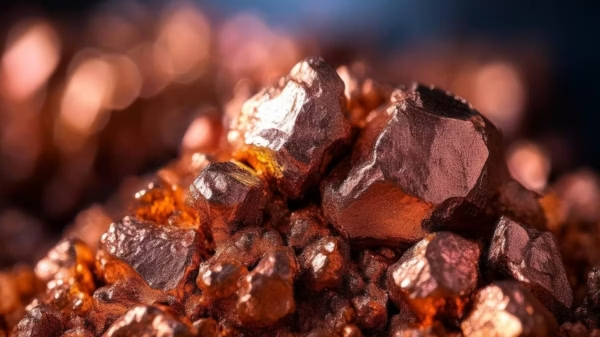







Washington is currently pouring billions of dollars into a massive overhaul of its domestic resource landscape, treating the procurement of critical minerals and AI infrastructure as a matter of urgent national security. Since early 2025, the Trump administration has greenlit roughly 40 billion dollars across 160 different minerals deals, shifting away from simple grants toward more direct government investments and accelerated permitting. While the White House frames this as a necessary move to break China’s stranglehold on global supply chains, the aggressive nature of these subsidies has sparked concerns over where public policy ends and private gain begins.
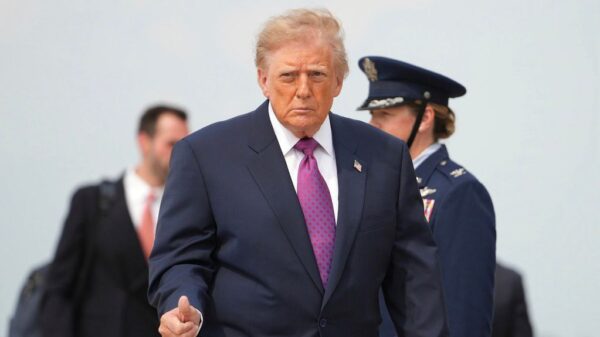
Much of this scrutiny centers on members of the Trump family whose business interests align closely with these new federal priorities. Ethics experts and lawmakers are questioning whether the boundaries between governance and personal profit are blurring, particularly given how certain investments seem to precede government action. A primary example involves Vulcan Elements, a rare earths magnet producer in North Carolina that received a 700 million dollar financing package from the Department of Defense. Reports indicate that an investment firm tied to Donald Trump Jr. took an undisclosed stake in the company just months before the Pentagon announcement, adding fuel to allegations that White House influence may have played a role in securing the funds.
Despite these controversies, many industry veterans argue that such heavy handed government intervention is the only way to compete globally. Some analysts describe this approach as a form of sector specific state capitalism, suggesting that without similar interventions used previously for the auto or banking industries, American firms cannot stand up to foreign competitors who ignore international trade rules. They contend that federal capital acts as a vital catalyst that reduces risk for junior miners and attracts further private investment into volatile markets like lithium and cobalt.
Ultimately, the current administration is betting that domestic independence in strategic materials outweighs the political optics of overlapping financial ties. By integrating government capital directly into the production of batteries and high tech magnets, Washington is attempting to reshape its industrial base in real time. Whether this transition can remain transparent remains a point of contention, as investigators continue to track whether official policies are being crafted for national stability or tailored for familial advantage.