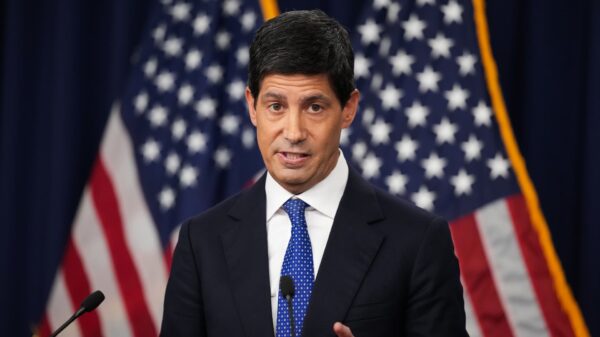
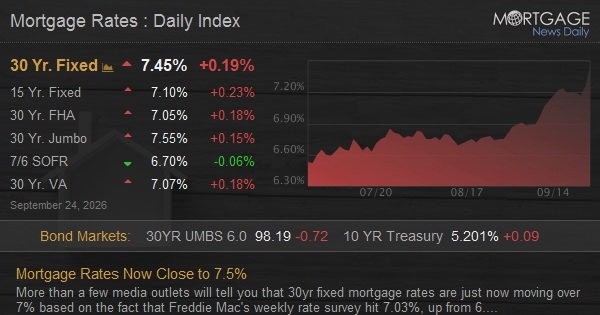











The bond market is currently shouting at the Federal Reserve, but the noise is coming from conflicting directions, leaving Chairman Kevin Warsh and his colleagues facing a precarious balancing act. Treasury yields have continued a steady climb as investors grapple with inflation that remains stubbornly above the two percent target, fueled by rising energy costs and a massive wave of corporate debt tied to the global artificial intelligence arms race. While previous policymakers often ignored temporary price spikes caused by external shocks, there is a growing sense within the Fed that these inflationary pressures are becoming structural rather than fleeting.
This shift in perspective has created a volatile environment for traders who are now scrambling to predict the central bank’s next move. In a departure from recent history, the Fed has stopped providing clear telegraphs regarding its future path, leading some analysts to believe more aggressive action is required. Joseph Brusuelas of RSM suggests that current projections may be far too optimistic, arguing that several more rate hikes could be necessary to restore price stability. His models warn that if long term yields continue to surge independently, the economy could face slowing growth and rising unemployment without actually bringing inflation down to target levels.
Not everyone on Wall Street believes such drastic measures are warranted. Some economists argue that the rise in yields simply reflects investor expectations of higher policy rates and overall economic strength rather than a failure of Fed leadership. Meanwhile, internal voices at the Federal Reserve remain divided. New York Fed President John Williams and Philadelphia Fed President Anna Paulson have both suggested that while further tightening is likely, it should be handled with modesty and patience rather than following a rigid script of predetermined increases.
At the heart of this tension is Kevin Warsh’s specific approach to leadership. Unlike his predecessors who relied heavily on formal forward guidance to steer investor expectations, Warsh has placed an unusual emphasis on using market signals as a primary input for policy decisions. This pivot makes the current volatility especially dangerous; if the Fed tightens too aggressively, it risks choking off economic expansion, but if it hesitates too long, it risks losing its credibility entirely. By leaning into market narratives over strict economic measurements, Warsh has entered a high stakes game where any single decision could trigger an unpredictable and outsized reaction across global financial markets.