
















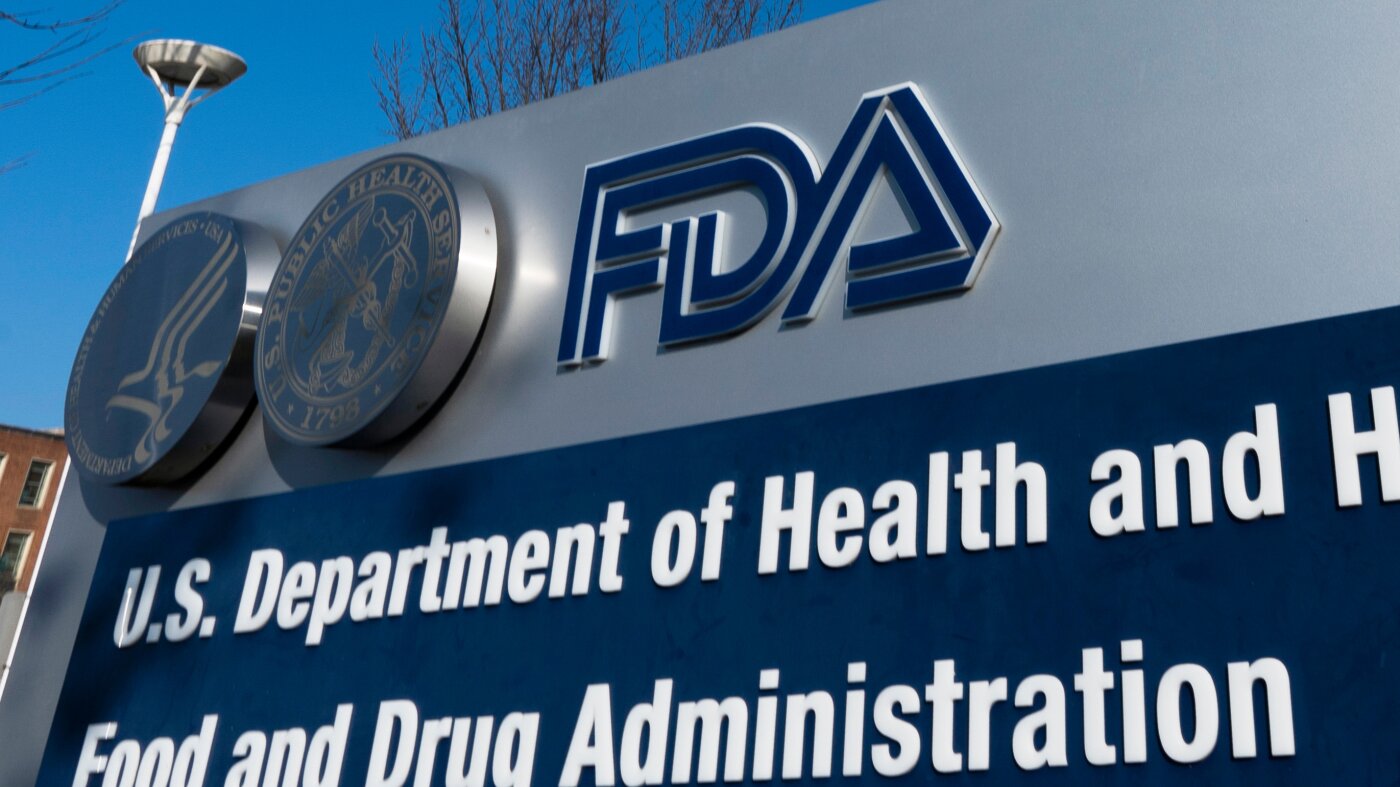
The U.S. Food and Drug Administration has granted expedited approval to a groundbreaking new medication for advanced pancreatic cancer, marking a potential turning point in the fight against one of the world’s deadliest diseases. The drug, developed by Revolution Medicines and marketed under the brand name Rasonque, is a first of its kind designed to block a specific mutated protein that drives tumor growth in over 90 percent of pancreatic cancer cases. For decades, scientists considered these particular mutations undruggable due to their complex structures, but this new daily pill utilizes a form of molecular glue to successfully bind with and neutralize those proteins.
Clinical results suggest the treatment could significantly extend life for those facing metastatic cancer that has stopped responding to traditional therapies. In a company funded study involving 500 patients, those receiving the drug saw their median survival time jump to 13.2 months, nearly doubling the 6.7 months seen in patients who received standard chemotherapy. While doctors emphasize that Rasonque is not a cure, they view it as a substantial victory given the typically low survival rates associated with pancreatic cancer, which often goes undetected until it has already spread to other organs.
Despite the medical breakthrough, accessibility remains a concern as the pharmaceutical company announced that a one month supply of the drug will cost approximately 39,800 dollars. Some patients had already gained early access to the medication through an expanded access program following high profile reports of its efficacy, including testimony from former Senator Ben Sasse regarding his reduced pain levels during treatment. Common side effects reported during clinical trials include skin rashes, mouth sores and various digestive issues such as diarrhea.
Medical experts believe this approval does more than just provide a tool for current patients; it opens the door for an entirely new class of oncology treatments. Because similar genetic mutations drive other forms of malignancy, researchers are now optimistic that this approach can be adapted for different tumor types, including lung cancer. By proving that these once untouchable proteins can be targeted effectively, regulators and physicians hope this milestone will spark a wave of innovation across the broader field of cancer research.