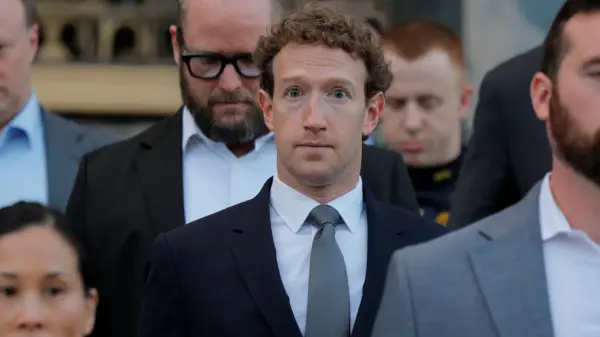












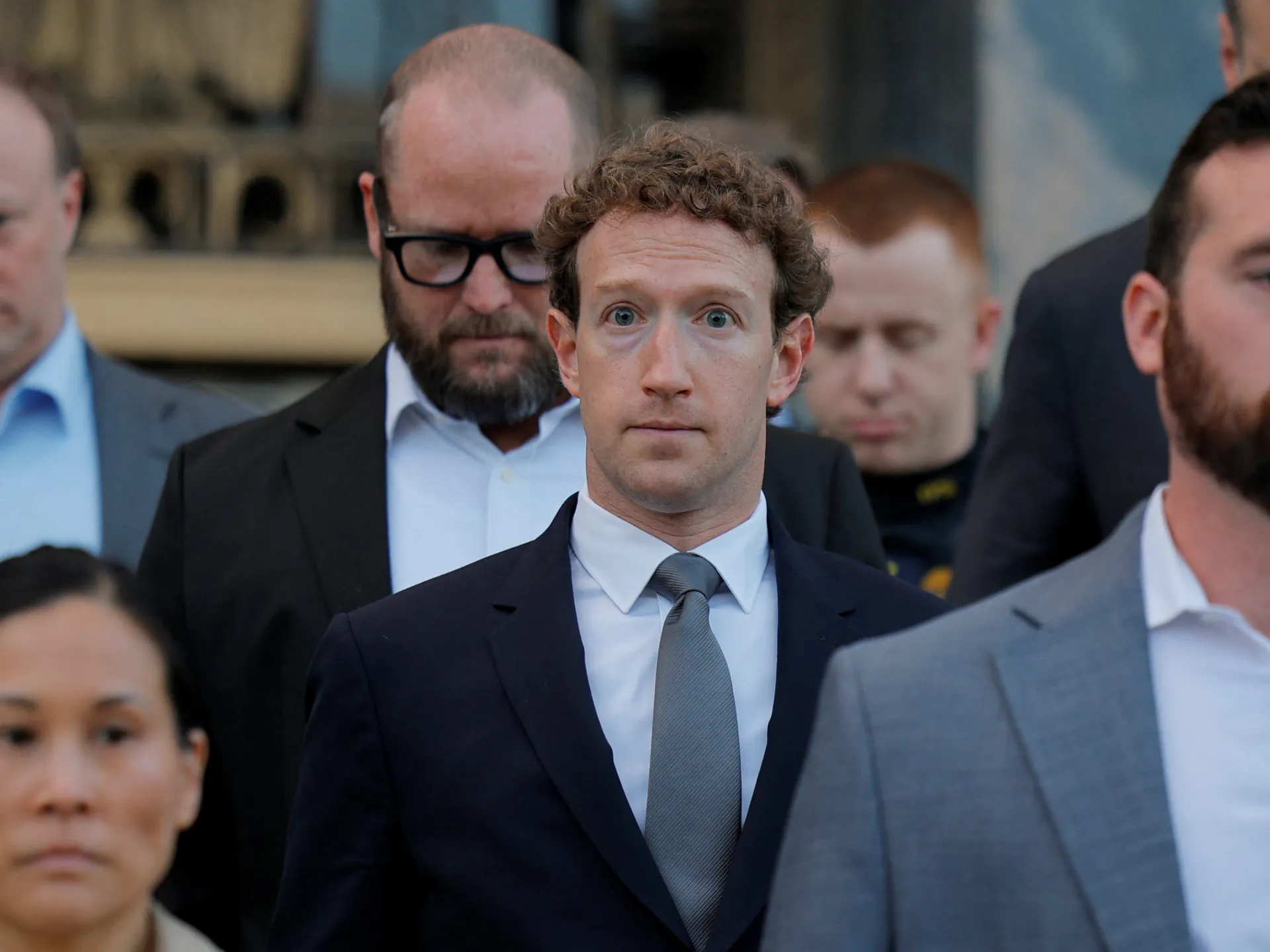
Meta has agreed to a massive 18 billion dollar settlement to resolve a series of lawsuits across 48 US states and territories, ending allegations that the company deliberately designed Instagram and Facebook to be addictive for children. While the financial penalty is significant, it represents only a small portion of the tech giant’s annual revenue. However, the real impact lies in the sweeping operational changes Meta must now implement to protect users under the age of 18, following damning evidence that the company was aware of the harm its platforms caused to adolescent mental health.
For millions of teenagers, the digital experience is about to become far more regulated. The settlement introduces strict usage limits, including a two hour daily cap and a nightly curfew between midnight and 6 a.m. To minimize distractions during the school day, Meta will also disable most push notifications between 8 a.m. and 3 p.m. Additionally, the company is moving to curb social anxiety by hiding likes and reactions on youth accounts by default and banning cosmetic filters that alter physical appearance unless parents specifically grant permission.
Parental oversight is set to expand dramatically under these new terms. Guardians will gain deeper access to their children’s activity, receiving reports on time spent on apps and lists of people their children are messaging. Most notably, Meta will alert parents whenever a teenager messages an adult for the first time or searches for keywords associated with eating disorders, self-harm, or suicide. This shift toward transparency aims to dismantle the private silos where many adolescents previously operated without adult supervision.
While advocates view this as a victory for child safety, some critics note that certain loopholes remain. The agreement does not force Meta to abandon personalized recommendations or targeted advertising, nor does it fully tackle algorithmic content that promotes unrealistic body images. Despite these gaps, analysts suggest this landmark deal could trigger a global ripple effect, providing a blueprint for other nations currently grappling with how to regulate social media giants in an era of rising youth mental health crises.