

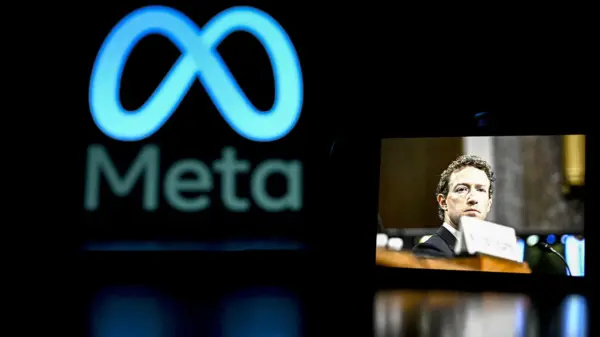













Meta Platforms has reached a historic 18 billion dollar settlement with 48 U.S. states, agreeing to implement sweeping changes to how teenagers interact with Facebook and Instagram. Over the next decade, the tech giant will roll out several mandatory safeguards for users under 18, including a strict two hour daily usage limit and a digital blackout period from midnight to 6 a.m. To ensure these rules are effective, Meta has pledged to overhaul its age verification systems using AI and third party tools to prevent children under 13 from accessing the platforms entirely.
Despite the scale of the agreement, some experts warn that limiting screen time is merely treating a symptom rather than the disease. Arturo Bejar, a former Meta engineering director who testified during the legal proceedings, compared the time limits to rationing harmful substances. He argued that telling a teen they can only have two hours of access is like saying they only get two hours of alcohol or cigarettes a day; it doesn’t change the fact that the content being delivered remains potentially toxic. Bejar expressed particular concern over algorithmic recommendations that keep teens hooked and distressed even after their allotted time expires.
Advocates for online safety remain skeptical about whether these measures go far enough, specifically noting that certain high risk features will remain opt-in rather than being disabled by default. Josh Golin of the nonprofit Fairplay pointed out that recommendation algorithms, which can lead vulnerable youth toward predators or dangerous content rabbit holes, are not automatically turned off under the deal. Critics argue that providing tools for parents to manage their children is not a substitute for fundamentally redesigning an addictive product architecture built for profit over protection.
Other industry observers view the settlement as a pivotal moment regardless of its flaws. Yael Eisenstat, another former Meta employee and current policy director at the Cybersafety Research Center, suggested that while previous safety tools often failed in practice, this agreement proves that restrictive alternatives are technically feasible. For years, whistleblowers claimed Meta ignored internal warnings about user safety to maximize engagement, but this court mandated shift suggests the era of total corporate autonomy over teen mental health may be coming to an end in the United States.