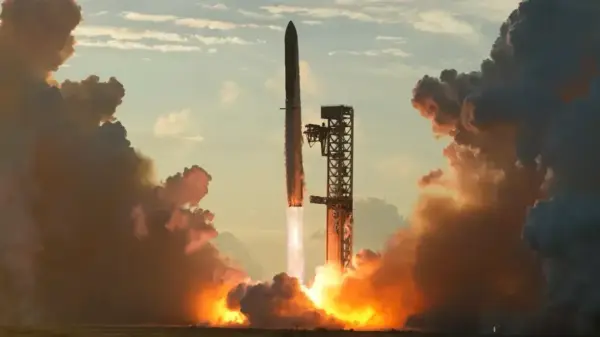


















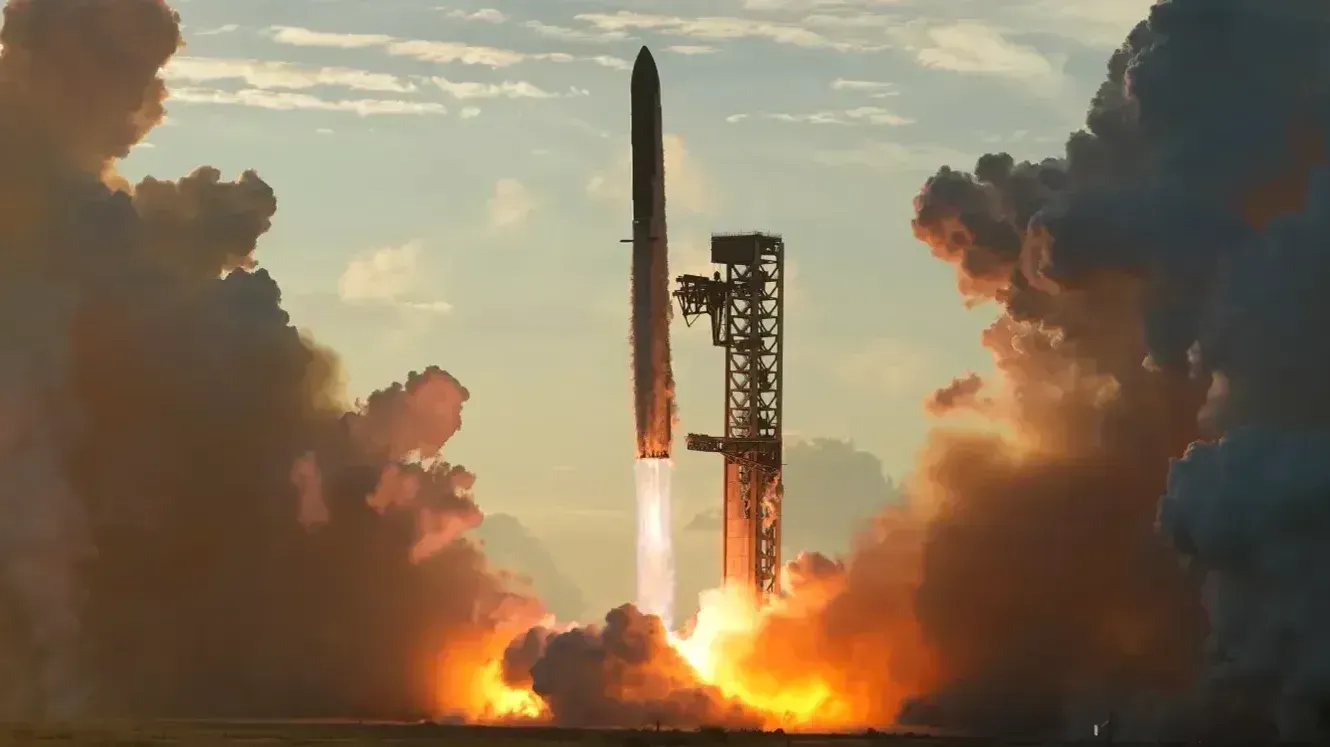
SpaceX is preparing for one of its most daring tests yet as the massive Starship rocket aims to lift off from South Texas, circle the globe, and touch back down on its own landing pad in less than a day. While the spectacle highlights Elon Musk’s ambitions for Martian colonization, the success of this behemoth may create a logistical nightmare for NASA. As SpaceX shifts its focus toward this next generation of space travel, it plans to phase out the Falcon 9, the reliable workhorse that currently serves as the primary taxi for American astronauts heading to the International Space Station.
The transition creates a precarious gap in orbital access. For years, the Dragon capsule atop a Falcon 9 rocket has been the gold standard for reliability, but SpaceX executives now view that hardware as outdated technology. Company president Gwynne Shotwell recently likened the Dragon to a minivan, arguing that while it works for short trips, it is entirely unsuitable for a six month journey to Mars. However, since there is little commercial profit in ferry services for government astronauts compared to high margin ventures like Starlink and AI, SpaceX appears ready to abandon the minivan regardless of whether NASA has another ride lined up.
This shifting dynamic represents a complete reversal of fortunes from two decades ago. In 2008, SpaceX was nearly bankrupt and survived only thanks to a critical lifeline from NASA that allowed them to keep developing their early rockets. Today, those roles are flipped. With billions in revenue pouring in from satellite internet subscriptions and artificial intelligence projects, NASA’s contracts have become small potatoes in comparison. The agency is no longer the benefactor but rather a client dependent on a partner whose priorities have moved far beyond low Earth orbit.
Beyond human flight, the decision to wind down Falcon operations threatens to leave both civilian and military payloads stranded on the ground. Analysts suggest thousands of planned launches could vanish by 2030, leaving the Pentagon scrambling for alternative providers who can match SpaceX’s scale and speed. While officials claim confidence that other suppliers can fill the void, history suggests that once Starship becomes operational several times a day, there will be no looking back toward the era of smaller rockets.