






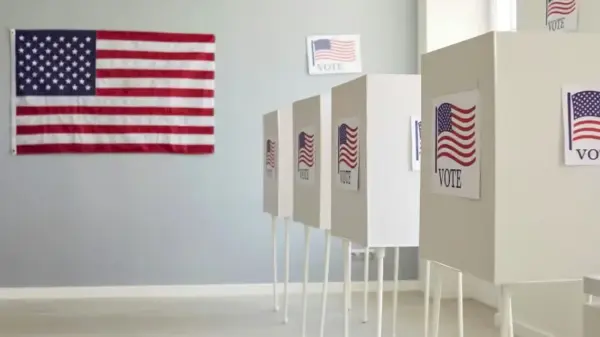





The recent wave of elections has signaled a significant political pivot in the United States, with Democrats poised to regain control of both the House and the Senate. This shift represents a clear rejection of the Trump administration’s approach, particularly regarding the rollback of environmental safeguards and the loosening of regulations for the resource sector. As Washington prepares for a change in leadership, industry observers and investors are closely watching how this transition will impact pending legislation designed to ease the path for mining operations.
At the center of the tension is the Bipartisan American Affordability and Jobs Act, a piece of legislation that seeks to overhaul permitting processes and environmental policies for extractive industries. One controversial provision would allow companies to place mill sites on federal lands meant for mining claims to dispose of waste rock and tailings. Such a move would essentially overturn previous court rulings, like those affecting Hudbay’s Rosemont copper project in Arizona, which stalled because officials couldn’t prove valuable minerals existed where waste was being stored. While proponents see efficiency, critics warn that allowing unlimited small mill sites creates a loophole that bypasses essential permitting requirements.
Beyond waste management, the bill proposes sweeping changes to the Clean Water Act and the National Environmental Policy Act that could strip power from state governments, Indigenous groups, and the EPA. These adjustments would make it harder to veto permits in ecologically fragile regions—a move that could breathe new life into dormant ventures like Northern Dynasty’s Pebble project in Alaska. Additionally, proposed limits on legal challenges would force opponents to file suits quickly or risk losing their chance entirely, all while construction potentially continues on-site during judicial reviews.
Because these measures face stiff opposition from many Democrats, Republicans may scramble to pass the bill during the lame duck session before January takes hold. It is not the only ticking clock in Washington; the Export-Import Bank’s charter also expires at year’s end. Without a timely renewal, massive initiatives like Project Vault’s critical minerals reserve could lose their financial footing. While both parties agree on the strategic importance of securing domestic mineral supplies for national security and green energy, they remain deeply divided on how much oversight should accompany that growth.