
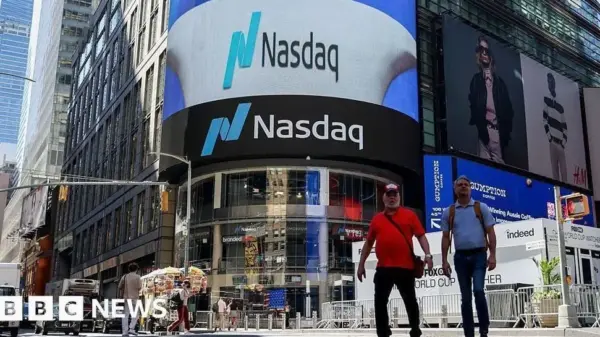





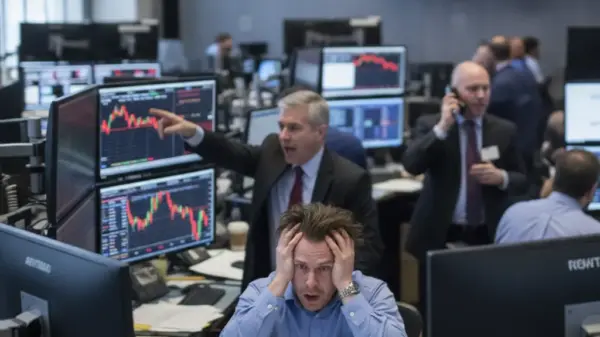

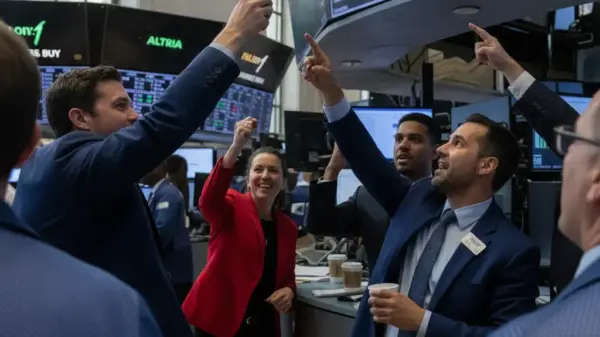

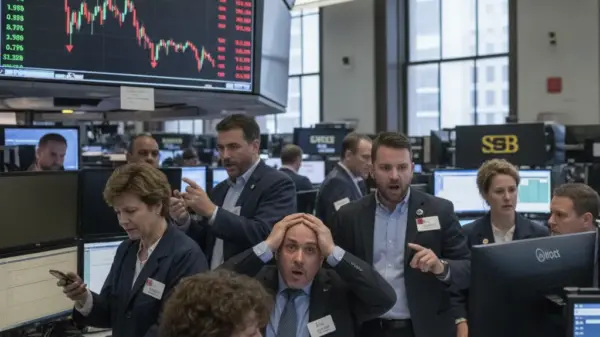




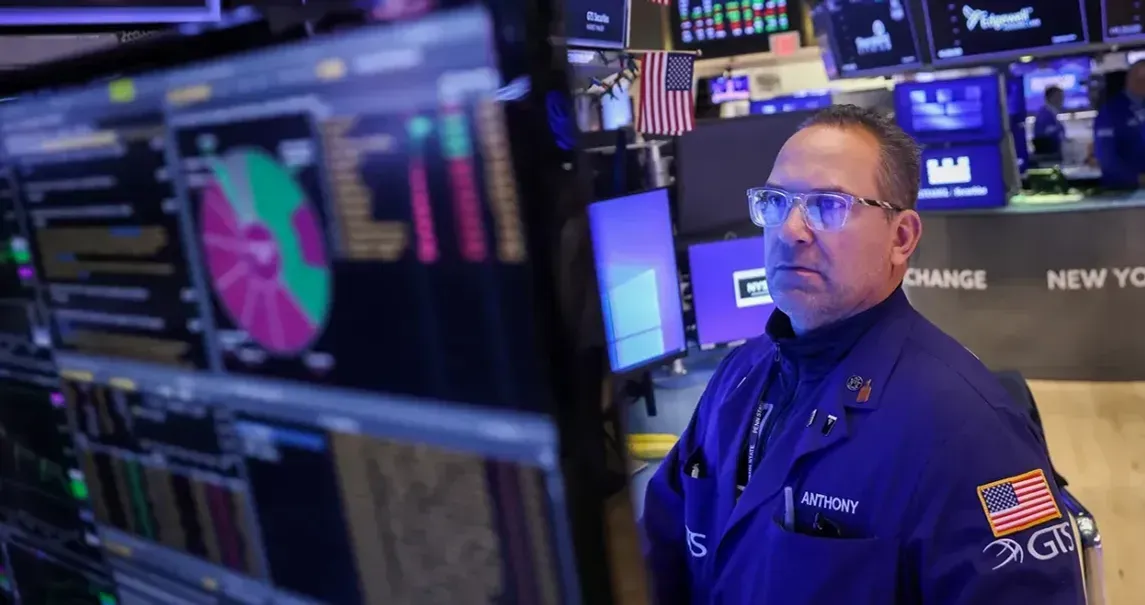
Investors shifted from excitement to anxiety on Friday as a massive sell-off erased over one trillion dollars in market value across the tech sector. The Nasdaq 100 plummeted 3.4 percent, marking its steepest single-day decline since mid-June and bringing the index dangerously close to correction territory. While the broader S&P 500 also felt the blow, dropping 1.8 percent, the technology sector bore the brunt of the damage with a tumble of more than 4.2 percent as confidence in the current AI trajectory began to waver.
The turmoil centered on a growing skepticism regarding the astronomical costs associated with building artificial intelligence infrastructure. For months, markets cheered whenever tech giants announced increased spending on data centers, but that patience is wearing thin. Investors are now demanding concrete evidence that these hundred-billion dollar investments will translate into actual returns. This shift in sentiment was evident during Amazon’s latest reporting cycle where CEO Andy Jassy warned shareholders to prepare for even higher capital expenditures through 2027, a revelation that failed to inspire the market as it once did.
Nowhere was this volatility more apparent than at Intel, which suffered its worst single-day crash since the 1980s with shares plunging 29 percent. The collapse was triggered by disappointing profit forecasts and admissions from CEO Lip-Bu Tan regarding severe supply chain bottlenecks and a memory crunch that hampered the company’s ability to meet demand. The carnage spread quickly through the semiconductor industry, dragging down heavyweights like AMD and Qualcomm, while neocloud startups focused on specialized data centers saw their valuations slide by double digits.
This retreat follows a brutal week for Big Tech, including a historic loss of half a trillion dollars in market value for Alphabet just days prior. As these corporations tap debt markets to fund their AI ambitions, they have inadvertently skewed traditional financial indicators, occasionally driving investors toward safer havens like U.S. Treasuries. What was once viewed as an inevitable gold rush is now being scrutinized as a high-stakes gamble, leaving traders wondering if the promised productivity gains can eventually justify the staggering price tag of progress.