












General Motors is aggressively pursuing a strategy to decouple its battery supply chain from China, moving toward a fully domestic production model within the next few years. This push comes at a politically charged moment, as the Trump administration’s Department of Transportation has recently criticized rival Ford Motor Company for its deep technological ties to Chinese firms. While Ford has opted to license existing technology from China’s CATL, GM is betting on a different approach focused on homegrown innovation and alternative chemistries.
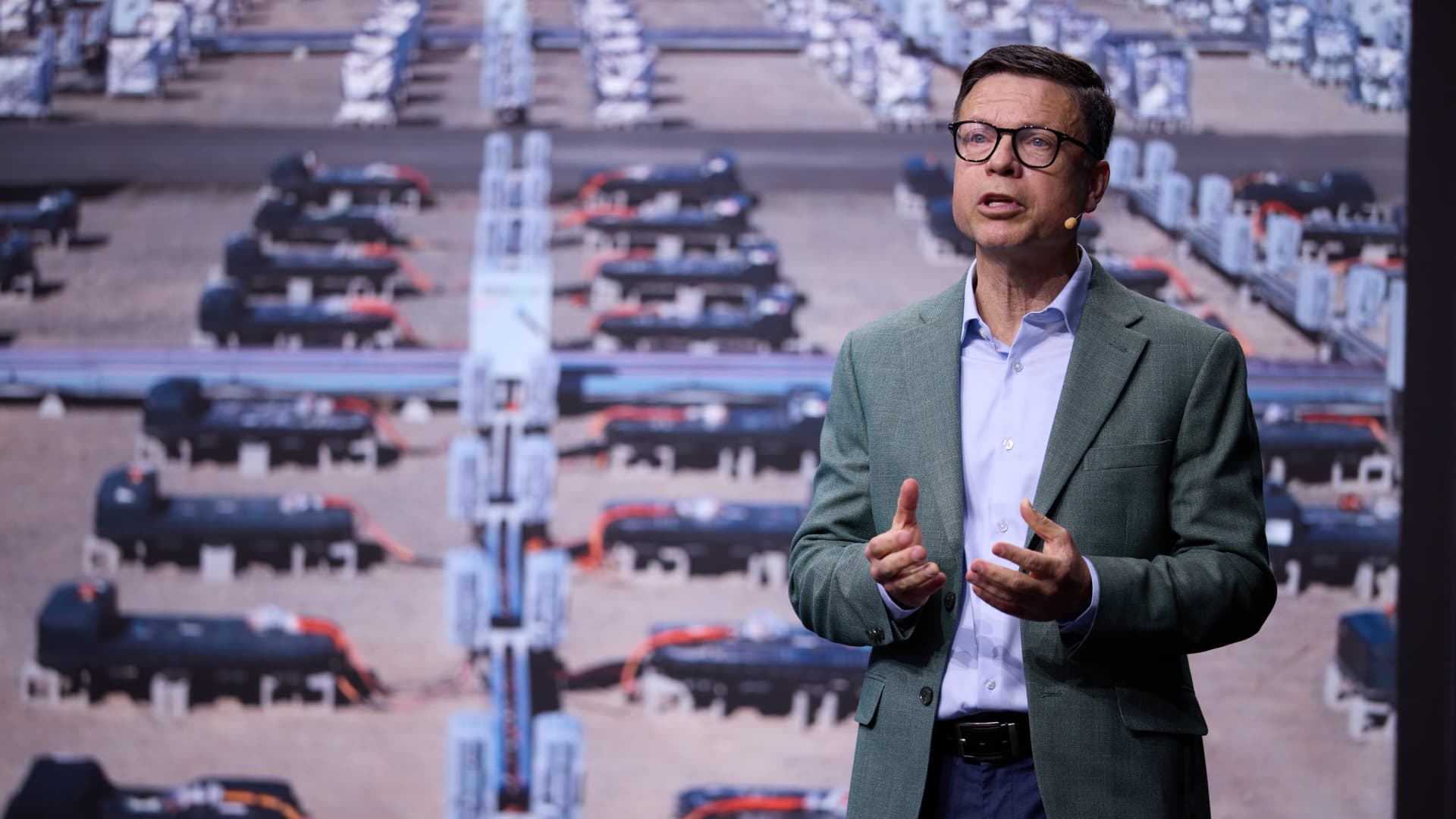
Central to this plan is the development of sodium ion batteries, which GM is creating in partnership with the Denver based startup Peak Energy. By shifting away from materials like lithium and ferrous sulfate, which are heavily controlled by China, GM aims to utilize more abundant U.S. resources such as soda ash. These batteries are primarily intended for energy storage systems used in homes and data centers, though the company intends to apply similar domestic priorities to its electric vehicle lineup. Kurt Kelty, GM’s vice president of battery and sustainability, suggests that rather than trying to mimic current Chinese methods, the goal is to leapfrog them entirely with superior technology developed on American soil.
The timing of these developments highlights a growing rift between how Detroit’s automotive giants handle geopolitical risk. Transportation Secretary Sean Duffy recently voiced profound concerns regarding Ford’s reliance on Chinese partnerships, signaling that the federal government is closely monitoring foreign dependencies in critical infrastructure. By investing 900 million dollars into new battery labs at its suburban Detroit campus, GM is positioning itself as the patriotic alternative, emphasizing a desire for total independence from overseas suppliers who currently dominate nearly 80 percent of global battery production.
Despite these ambitions, experts warn that dismantling China’s grip on the industry will be a long and expensive process. Sodium ion cells aren’t expected to reach commercial production until around 2029, meaning GM still relies on various Chinese materials for its current products. However, Kelty maintains that focusing on domestic supply chains not only aligns with national security interests but provides a technical advantage, potentially offering batteries that operate across wider temperatures without the need for costly cooling systems.